
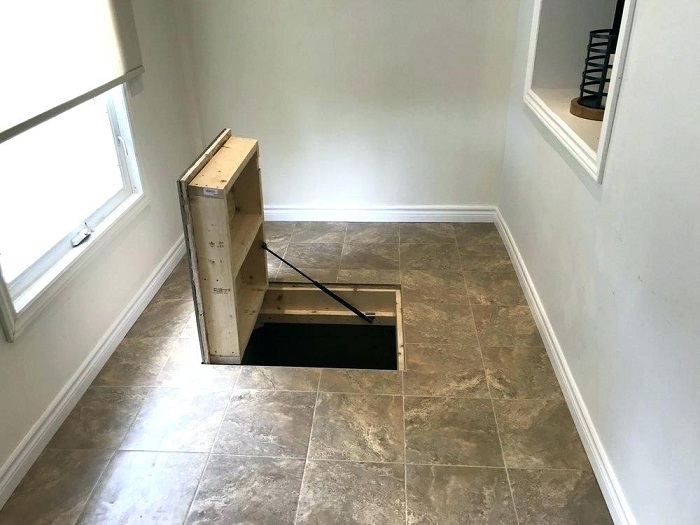
Installing floor hatches is an important step in ensuring safe and convenient access to utility lines, ducts, or ventilation systems. When selecting and installing an access door, it’s important to carefully consider technical requirements, safety, and durability to ensure reliable protection and ease of use. Proper installation of the access door requires compliance with standards, proper fastening, and a tight seal to prevent dust, moisture, and foreign objects from penetrating.
Types of Floor Hatches: Design Features and Materials Used
Various types of hatches are available on the market, differing in design, materials, and applications. Their features allow you to choose the optimal option for various operating conditions.
Types of Hatch Designs and Materials Used
- Metal hatches: made of steel or aluminum, they offer high strength and durability. They are often equipped with protective coatings to prevent corrosion.
- Wooden hatches: used in designer interiors and in spaces where aesthetics are important. They are easy to install and can be decorated with decorative trim.
- Plastic hatches: lightweight and moisture-resistant, ideal for use in damp areas or outdoor spaces. Typically made of durable polymer materials.
Design Features and Applications
- Classic hatches with a cover built into the floor: suitable for indoor spaces and allow for easy concealment of utility lines.
- Sliding and tilting hatches: used where quick access is required or opening space is limited.
- Maintenance hatches with a full-length door: designed for maintenance and require a more complex design with locks and seals for a watertight seal.
Key Technical Parameters When Selecting a Floor Hatch
When selecting a floor hatch, it is important to consider a number of important technical parameters that ensure the safety, durability, and functionality of the structure. Selecting the right specifications will help avoid problems during operation and improve user comfort.
In this section, we’ll look at the key parameters to consider when purchasing a floor hatch door.
Main Technical Parameters
- Material – the choice depends on the room’s intended use and load; the most popular materials are steel, aluminum, plastic, and composite materials.
- Dimensions and Dimensions – the length, width, and height of the hatch, as well as the permissible load on the structure.
- Thickness and Strength – contribute to reliability and durability; The hatch must be suitable for the expected load and operating conditions.
- Opening type – horizontal or vertical, with or without handles, with a gas lift mechanism or manual opening.
- Tightness level – important to prevent dust, moisture, and heat or cold loss, especially in technical rooms.
- Fire safety class – especially important for hatches in industrial or public buildings.
Final recommendations
When selecting a floor hatch, it is necessary to consider a combination of technical parameters: material and strength for long-term use, size and design for ease of use, tightness, and safety. Careful selection based on these parameters will ensure the reliability and safety of the structure, as well as comfort during daily use.